Walk into any Thai restaurant along Singapore’s East Coast Road, and you’ll likely hear someone ordering “gluten rice” to accompany their som tum. The server nods knowingly, fetching what they actually mean: glutinous rice. This linguistic confusion plays out daily across Singapore’s food establishments. The reality is straightforward: rice contains no gluten whatsoever. When Singaporeans reference gluten rice, they’re describing glutinous rice, that distinctively sticky grain also called sweet rice. Despite its misleading name, glutinous rice remains entirely gluten-free.
Understanding Glutinous Rice
The story of gluten rice begins not with gluten but with starch. Inside each grain lies molecular architecture that determines its destiny. Regular rice contains roughly 20 to 25 percent amylose starch and 75 to 80 percent amylopectin. Glutinous rice takes a different path: its composition tilts dramatically toward amylopectin, typically 98 to 100 percent. This near-total dominance creates the signature stickiness that makes glutinous rice indispensable.
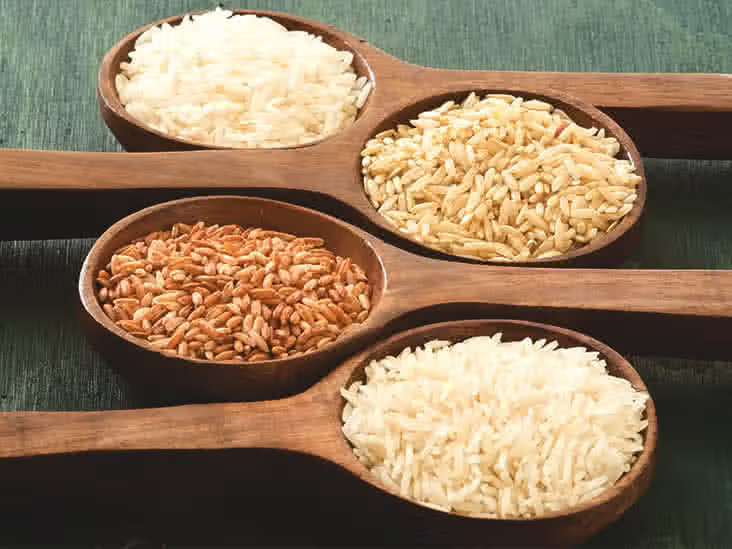
Hold raw glutinous rice beside regular rice, and the visual difference becomes apparent. Glutinous rice appears opaque and chalky white, while regular rice maintains a translucent quality. Both white and brown glutinous rice varieties exist throughout Asia’s rice-growing regions, though white predominates in Singapore’s commercial kitchens. Thai glutinous rice has emerged as the gold standard in local wholesale markets.
Gluten-Free Confirmation
The nomenclature problem traces back decades of linguistic evolution that prioritised texture description over chemical accuracy. All rice varieties, including glutinous rice, contain zero gluten proteins. Gluten exists exclusively in wheat, barley, rye, and their derivatives. For Singapore’s growing population managing coeliac disease or gluten sensitivity, this distinction carries real consequences.
This matters profoundly for commercial operations. Singapore’s restaurant landscape increasingly accommodates gluten-intolerant customers, and understanding that sticky rice qualifies as gluten-free expands menu possibilities. The caveat remains cross-contamination: always verify that glutinous rice hasn’t been processed in facilities handling wheat products.
Key Differences in Cooking Properties
Visit a traditional Thai kitchen in Golden Mile Complex, and you’ll observe glutinous rice preparation that differs fundamentally from regular rice cooking. Regular rice typically employs absorption or boiling methods. Glutinous rice demands different treatment, beginning with a several-hour soak before steaming rather than boiling. This steaming process preserves the grain’s essential stickiness whilst preventing mushiness. Singapore’s commercial kitchens have adapted with specialised bamboo steamers or electric rice cookers with sticky rice settings.
Regular rice produces separate, fluffy grains. Glutinous rice forms cohesive, sticky clumps that hold together, enabling the hand-eating style common in northeastern Thai cuisine. Water ratios reflect these differences: glutinous rice requires a 1:1 rice-to-water ratio compared to regular rice’s 1:1.5 or 1:2 ratio.
Common Culinary Applications
In Singapore’s Little Thailand neighbourhood, glutinous rice serves as cultural currency. Thai restaurants serve it in traditional bamboo baskets alongside grilled meats, papaya salad, and northeastern curries. Diners form small balls by hand, using the sticky texture to scoop up sauces. Vietnamese establishments throughout Joo Chiat rely on sticky rice for savoury breakfast dishes like xôi and for wrapping in banana leaves.
Singapore’s dessert landscape tells another chapter. Hawker centres from Toa Payoh to Bedok serve mango sticky rice, ondeh-ondeh, and various kueh that depend on glutinous rice’s unique properties. The grain’s natural mild sweetness and ability to absorb coconut milk make it ideal for desserts. Food manufacturers producing pre-packaged Asian desserts build product lines around glutinous rice, knowing its texture cannot be replicated with regular varieties.
The dim sum tradition adds another dimension. Walk through Chinatown’s Amoy Street Food Centre, and you’ll find lo mai gai wrapped in lotus leaves, savoury fillings encased in glutinous rice. The rice’s cohesive properties prevent fillings from falling apart. Ground glutinous rice produces sweet rice flour essential for making mochi, tang yuan, and various Southeast Asian cakes.
Nutritional Considerations
Both glutinous and regular rice deliver carbohydrate energy, though their effects on blood glucose differ significantly. Glutinous rice typically produces a higher glycaemic response than regular varieties, as its high amylopectin content digests more rapidly. This makes regular rice preferable for individuals managing blood sugar levels, despite both being gluten-free options.
Brown glutinous rice offers more fibre, vitamins, and minerals than white glutinous rice. Yet brown glutinous rice remains relatively scarce in Singapore’s food service industry, where traditional recipes culturally expect white sticky rice’s appearance and texture.
Selection Considerations for Commercial Buyers
When sourcing glutinous rice for Singapore’s food operations, origin and quality standards determine success. Thai glutinous rice generally commands premium pricing due to its superior stickiness and flavour profile. The differences reflect growing conditions, rice varieties, and processing methods that vary across regions.
Storage requirements differ from regular rice. Glutinous rice’s higher lipid content, particularly in brown varieties, means shorter shelf life. Store in cool, dry conditions and rotate stock more frequently than regular rice varieties to prevent rancidity.
Making the Right Choice
The confusion between gluten and glutinous rice stems from unfortunate word choice made generations ago, prioritising textural description over chemical precision. For Singapore’s diverse culinary ecosystem, both regular and sticky rice serve distinct, non-interchangeable purposes. Understanding these differences ensures appropriate grain selection for specific dishes, intelligent inventory management, and accurate menu labelling. Whether preparing traditional Thai street food in a hawker stall, creating modern fusion desserts, or manufacturing packaged Asian sweets, knowing precisely when to deploy gluten rice versus regular varieties determines the difference between culinary authenticity and disappointing approximation in Singapore’s competitive food industry.