How german houses keep milka chocolate bars on hand?
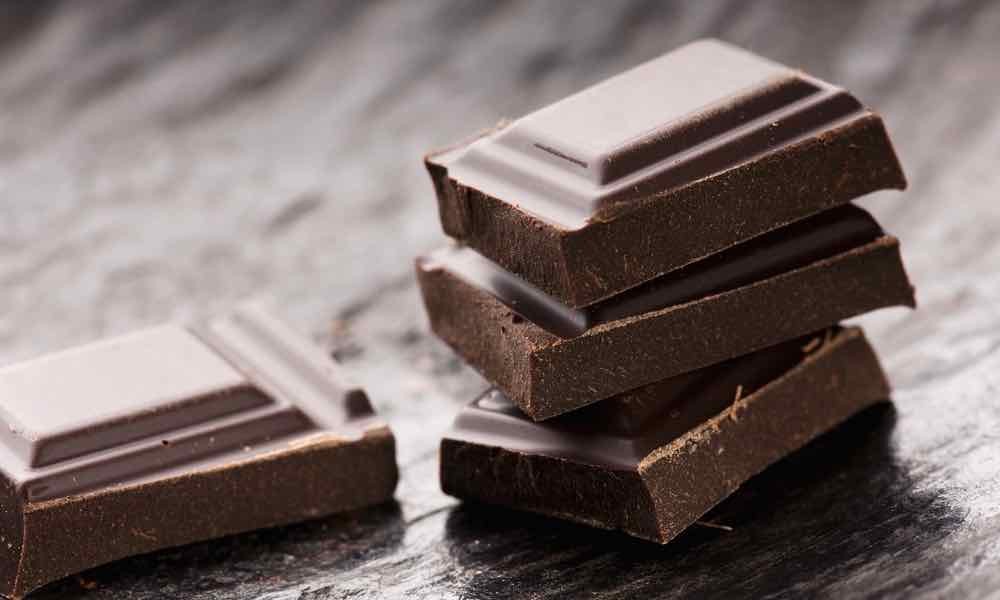
Food habits in German households are shaped less by impulse and more by routine. Certain products earn a fixed place in the home not through active decision-making but through repetition that eventually stops requiring justification. Chocolate occupies a specific position in this pattern, sitting somewhere between everyday comfort and social utility. A thoughtless purchase or a luxury reserved for special occasions. A consistent presence of milka chocolates in German kitchen drawers, shelves, and living room bowls reflects more than brand loyalty.
This product perfectly fits a domestic need. Stores easily and performs multiple functions across the household without requiring special preparation. A staple product should have these qualities, not just any qualities. Milka typically occupies an important place in German homes, even among those requiring special storage or carrying short shelf lives.
Storage habits across the home
German households tend to keep chocolate in consistent, accessible locations rather than storing it out of sight. Common placement points include:
- Kitchen cupboards should be away from direct heat, where bars remain at a stable room temperature without specialist storage.
- Living room surfaces or decorative bowls, where chocolate functions as an informal offering to visitors.
- Desk drawers in home office spaces, particularly since remote working extended the home’s functional zones.
- Pantry shelves alongside other dry goods, treated with the same ordinariness as biscuits or coffee.
Bars suit these locations. After breaking a section off, the product does not deteriorate and stacks easily. Placing items consistently reinforces the habit of restocking when supplies run low.
What keeps the habit going across generations?
Routine purchasing is rarely examined by the person doing it. Items that have been bought repeatedly without a negative outcome tend to remain in the basket without active reconsideration. This is particularly true in German shopping culture, where efficiency and consistency in grocery behaviour are broadly valued. Milka chocolate bars enter this automatic category for many households after a relatively short period of regular purchase. Several household patterns sustain this:
- Grocery trips that include confectionery on a regular basis.
- Early associations with the product create preferences that last a lifetime.
- Seasonal purchasing during key periods that refresh the household supply and reset the habit after any lapse.
- Gift-giving occasions where received bars supplement the household stock, normalising higher quantities as standard.
Once a product achieves this automatic status, it becomes genuinely difficult to displace. A competitor would need to offer something materially different, not marginally better, to interrupt a behaviour that no longer involves conscious comparison.
Role in everyday social moments
German domestic culture places quiet importance on hospitality, even in informal settings. Offering something to a guest, however small, is a normal social gesture. A bowl of chocolate on a coffee table or a bar offered during a visit requires no ceremony and places no expectation on the recipient. Milka suits this function precisely because its familiarity removes any awkwardness from the gesture.
Staple status, in the end, is earned through consistent usefulness across varied moments rather than through any single compelling quality standing alone.