
Coffee Machine Service: Why Regular Maintenance Matters
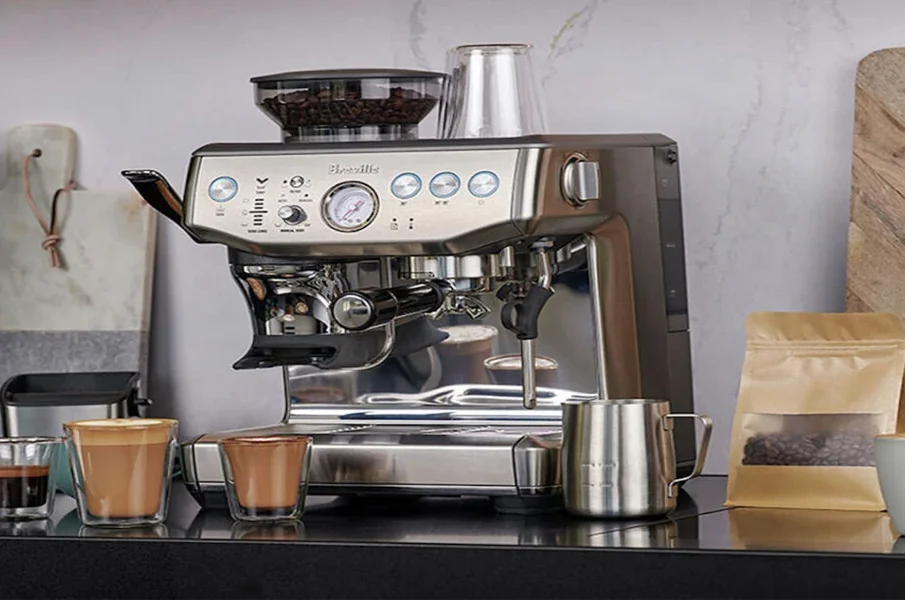
Most people assume a coffee machine only needs attention once it visibly stops working, but by that point the damage is usually already done and the repair is far more expensive than routine upkeep would have been. Scheduled coffee machine service catches mineral buildup, worn seals and clogged lines while they are still minor, which is the difference between a machine that lasts years and one that needs early replacement.
What Happens Inside a Machine Between Services
Every brew cycle leaves behind coffee oils and, depending on water hardness, mineral scale inside the boiler and pipework. Left unaddressed, oils turn rancid and taint the flavour of every subsequent cup, while scale gradually restricts water flow and forces the heating element to work harder, shortening its lifespan well before the machine shows any obvious external fault. None of this is visible from outside the casing, which is exactly why relying on appearance alone is misleading.
Descaling: The Most Commonly Skipped Task
Descaling removes mineral deposits from the boiler and internal tubing using a formulated solution run through the machine’s own cycle. Singapore’s tap water is moderately hard, meaning most commercial machines need descaling every one to three months depending on usage volume, yet this is the task most frequently postponed because the machine keeps producing coffee right up until the moment it suddenly does not. Using a proper descaling agent rather than a generic household substitute also matters, since the wrong chemical can damage internal seals.
Signs a Machine Is Overdue for Service
Slower brew times, inconsistent temperature, unusual noise from the pump, or a flat taste that persists even with fresh beans are all early indicators. Milk frothers that produce thinner foam than usual often signal buildup inside the steam wand specifically, which is a common and easily missed maintenance gap even on otherwise well-cared-for machines. Staff complaints about taste are often the first reliable signal, arriving well before any diagnostic warning light does.
Hygiene Considerations for Shared Machines
Machines used by many people throughout the day accumulate residue in drip trays, milk lines and brew groups faster than a single-household unit ever would. Milk systems in particular need daily rinsing and periodic deep cleaning, since residual milk left in internal lines supports bacterial growth far more readily than coffee residue alone. Shared kitchen etiquette rarely covers this level of upkeep, so it needs to sit on someone’s actual checklist rather than being left to goodwill.
What a Professional Service Visit Typically Covers
A proper professional coffee machine service visit includes internal descaling, brew group disassembly and cleaning, gasket and seal inspection, milk system flushing, and a functional check of pressure and temperature output against manufacturer specification. Technicians also typically replace consumable parts like filters or worn seals proactively, before they fail during normal use.
Costs of Deferred Maintenance
A worn pump or heating element replacement generally costs several times more than the routine service that would have prevented the failure. Beyond parts, an unexpected breakdown also means downtime for the office or business relying on the machine, which is a cost that rarely factors into the decision to skip a scheduled visit but often outweighs the saved service fee. Emergency call-outs also tend to carry a premium over a scheduled visit booked well in advance.
Setting Up a Sensible Service Schedule
High-volume commercial machines generally need servicing every one to two months, while lower-use office units can often stretch to quarterly visits without issue. Usage volume matters more than a fixed calendar interval, so tracking daily cup counts gives a more accurate basis for scheduling than simply following a generic manufacturer recommendation. A simple log of visits and any symptoms noticed in between also helps a technician spot recurring issues faster.
In-House Care Between Professional Visits
Daily rinsing of milk components, emptying and cleaning drip trays, and wiping down external surfaces all reduce strain on the machine between scheduled services. None of this replaces professional descaling or internal inspection, but consistent daily care noticeably extends the interval that can safely pass between full service visits. A brief written routine pinned near the machine helps this happen consistently rather than depending on memory.
Choosing Between an In-House Contact and a Contracted Technician
Larger offices sometimes designate a staff member to handle basic upkeep, but this only works reliably if that person has genuine training rather than a quick verbal handover. For most businesses, a contracted technician who visits on a set schedule produces more consistent results than relying on informal internal responsibility that tends to lapse once the original champion moves on or gets busy.
Making Maintenance Part of Normal Operations
Treat service scheduling the same way as any other recurring business cost rather than an optional extra, since the alternative is an unpredictable repair bill at the worst possible time. Whether the machine is owned outright or under a rental agreement, confirming exactly what maintenance is included avoids gaps in cover. Consistent coffee machine service is ultimately the cheapest way to keep a machine performing at its original standard for years rather than months.