What Makes Luxury Champagne Different from Regular Champagne?
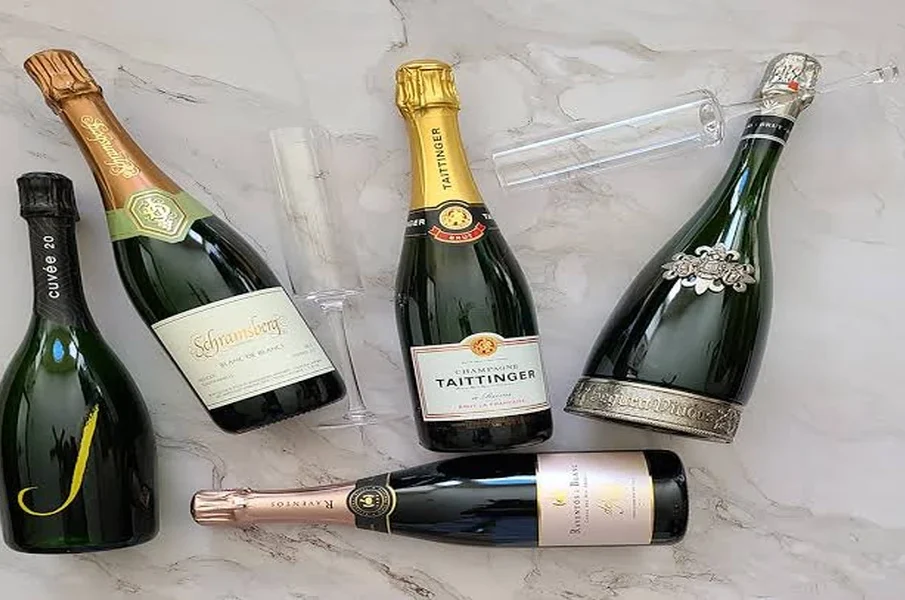
Champagne has a way of turning an ordinary moment into an occasion. Yet once you move beyond familiar non-vintage bottles and into the world of prestige cuvées, the differences become much more than a matter of price. Luxury Champagne is shaped by vineyard selection, vintage conditions, longer ageing and decisions made at almost every stage of production. The result can be a wine with greater depth, texture and ageing potential, but understanding why requires looking beyond the label.
The difference begins in the vineyard
One of the clearest distinctions between luxury Champagne and more widely produced cuvées is the fruit itself. Prestige wines are often built around carefully selected parcels, villages and grapes, with producers paying particular attention to maturity, balance and the character of individual sites. Some are produced only in years when the harvest reaches a level of quality the house considers worthy of a vintage expression.
For those planning an important celebration, the choice can therefore extend well beyond simply picking an expensive bottle. To choose an exceptional Cristal champagne for a memorable toast is to opt for a wine whose identity is closely tied to selected vineyards, vintage conditions and an unusually long period of maturation.
That approach is evident in Cristal, the prestige cuvée created by Louis Roederer in 1876. The wine is made only in vintages considered suitable by the house and draws on selected Grand Cru vineyards. Its production typically involves six to ten years of bottle ageing, followed by additional time after disgorgement.
Time is one of luxury champagne’s most important ingredients
All genuine Champagne already requires patience. Under Champagne’s regulations, a wine must spend at least 15 months ageing before release, while vintage Champagne must mature for a minimum of three years. In practice, many producers go considerably further. The Comité Champagne notes that non-vintage wines commonly spend two to three years in the cellar, while vintage cuvées often remain for four to ten years.
Luxury Champagne frequently takes this philosophy to another level. Extended contact with the lees allows the wine to develop aromas and textures that are difficult to achieve quickly. During this period, yeast cells undergo autolysis, releasing compounds that gradually influence the wine’s aromas and mouthfeel. Slow oxidation also contributes to the evolution of the finished Champagne.
The effect is not simply “more flavour.” With time, fresh citrus and orchard-fruit notes can become intertwined with toast, pastry, nuts, honey or spice. The bubbles may also feel more integrated, giving an older Champagne a smoother, more layered character.
Prestige is about precision, not just rarity
It is tempting to think that luxury Champagne is simply regular Champagne made with more expensive grapes. The reality is more nuanced.
Prestige cuvées often involve stricter selection at several stages, from vineyard parcels to base wines and blending decisions. Producers may also use particular fermentation vessels, reserve wines or oak to shape texture and complexity. The aim is generally to create a wine with a distinctive personality rather than simply increase intensity.
Cristal provides a useful example. Depending on the vintage, its blend is based primarily on Pinot Noir and Chardonnay, with grapes drawn from selected sites across Champagne. Technical choices can include fermentation or ageing in oak, while malolactic fermentation may be avoided to preserve freshness and tension.
These details may sound technical, but they can become noticeable in the glass. A prestige cuvée may feel more concentrated without becoming heavy, combining richness with acidity, minerality and a long finish.
Dosage can change the final impression
Another detail that often goes unnoticed is dosage. After disgorgement, a small amount of liqueur d’expédition is added before the bottle is sealed. The amount of sugar influences the final style of the wine, although it does not determine whether a Champagne is luxurious or ordinary.
Many high-end cuvées use relatively restrained dosage, allowing the fruit, acidity and site character to remain prominent. Cristal, for example, has historically been released with moderate dosage levels that vary according to vintage and style. The objective is balance rather than sweetness.
Luxury champagne is also built for the table
A prestige bottle does not necessarily belong only at midnight on New Year’s Eve. In fact, its complexity can make it particularly well suited to food.
Young luxury Champagne can work beautifully with seafood, shellfish and delicate poultry, while mature examples can stand up to richer preparations. Louis Roederer describes Cristal as a gastronomic Champagne, highlighting pairings ranging from scallops to poultry.
That versatility is part of the appeal. A good prestige cuvée can evolve throughout a meal, revealing different aromas as it warms slightly in the glass and has time to breathe.
So, what are you really paying for?
The premium attached to luxury Champagne is not explained by one ingredient or one production trick. It reflects a combination of vineyard selection, lower-volume production, meticulous winemaking, long cellar ageing and the reputation of the house behind the bottle.
Most importantly, the distinction is not that regular Champagne is somehow inferior. Non-vintage Champagne can offer freshness, consistency and character at a wide range of prices. Luxury cuvées simply occupy a different category, where producers have the opportunity to devote more time, selection and resources to a particular expression of the region.
When the bottle becomes part of the occasion
Luxury Champagne is ultimately about more than prestige. It is about time, place and craftsmanship coming together in a bottle designed to evolve. For a significant celebration, that sense of occasion can make a prestige cuvée particularly memorable but its real fascination begins once the cork is removed and the wine gets the chance to tell its story in the glass.
FAQ
What is the difference between luxury Champagne and regular Champagne?
Luxury Champagne often involves more selective grape sourcing, meticulous winemaking and longer cellar ageing. These choices can give it greater complexity, depth and ageing potential.
Why is luxury Champagne so expensive?
Its price reflects selected vineyards, limited production, long ageing and the producer’s reputation. Packaging and brand prestige can also contribute.
What is a prestige cuvée Champagne?
A prestige cuvée is a producer’s flagship Champagne, designed to showcase its finest vineyard selections and winemaking expertise. It can be vintage or non-vintage.
Is luxury Champagne worth the money?
It can be if you appreciate complex flavours, refined texture and ageing potential. A well-made, more affordable Champagne may still suit your taste and occasion perfectly.
What food pairs well with luxury Champagne?
Young examples often pair well with seafood, scallops and delicate poultry dishes. Mature bottles can complement richer dishes, including creamy sauces and roasted poultry.