Smart Chai-Time Snacks for Festive Hosting: Delicious Alternatives to Fried Namkeen
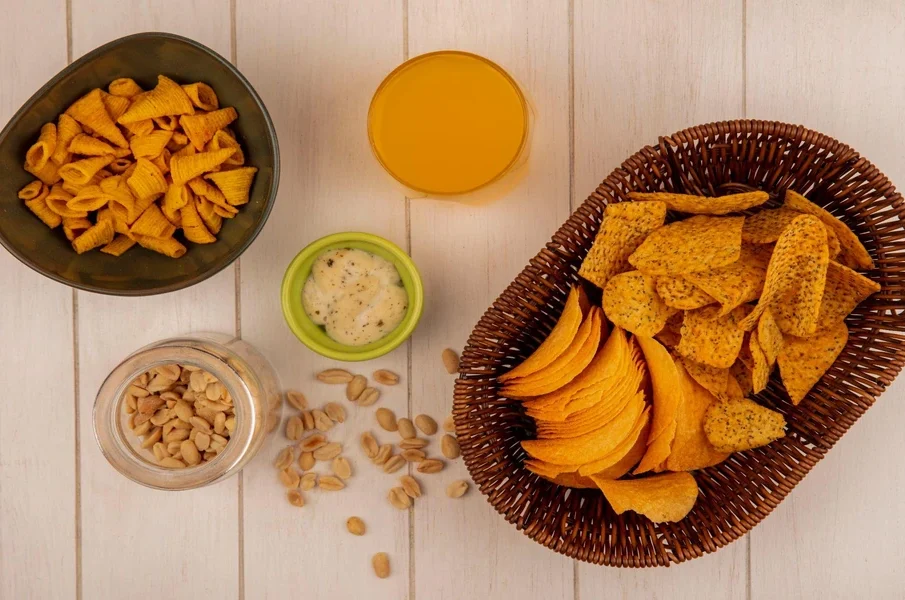
Few things signal festive hospitality in India quite like a tray of steaming chai surrounded by bowls of snacks. During Diwali visits, winter get-togethers and spontaneous evenings with friends, however, the usual rotation of fried namkeen, samosas and pakoras can start to feel repetitive. Adding healthy savoury snacks to the table is one way to create variety without making guests feel as though they have been served a restrictive “health menu.”
The goal is not to ban traditional favourites. Festive food is meant to be enjoyed. Instead, build a more interesting spread by combining familiar flavours with roasted, baked and fresh options. With a little planning, chai-time can remain generous and celebratory without every bowl containing another variation of deep-fried food.
Why Festive Chai-Time Needs More Variety
During India’s festive season, one social occasion often follows another. Guests may arrive after already having sweets or snacks elsewhere, so a table overloaded with heavy options is not always as appealing as it looks.
You could keep one traditional fried favourite and surround it with lighter-feeling alternatives: roasted nuts, crisp crackers, spiced makhana, vegetables with dips or baked bites. Guests who want the classic snack can enjoy it, while others can choose something different.
Texture matters too. A good snack table combines crunch, softness, spice and freshness rather than serving several foods that taste and feel similar.
Choosing Healthy Savoury Snacks for Your Chai Table
The word “healthy” can mean different things to different people, so avoid treating it as a guarantee about any particular packaged food. Ingredients, portion size and overall dietary patterns provide more useful context.
When exploring healthy savoury snacks , read ingredient lists and nutrition information rather than relying only on front-of-pack descriptions. Look for flavours your guests are likely to enjoy and consider dietary requirements or allergens where relevant.
For hosting, practicality matters as well. Snacks that can be served directly, stay crisp for a reasonable period and do not require constant reheating can make entertaining much easier.
Give Roasted Snacks a Festive Upgrade
Roasting can create the crunch people expect from chai-time snacks without requiring every item to be deep-fried.
Spiced Makhana
Makhana is easy to customise. Roast it until crisp and season it with spices that complement your menu. Cumin, black pepper, chilli, chaat masala or other familiar combinations can work, depending on your guests’ preferences.
Serve it soon after preparation for the best texture and avoid overwhelming it with seasoning.
Roasted Chickpeas
Roasted chickpeas bring a substantial crunch and can handle assertive flavours. Try a simple spice mixture rather than adding several competing seasonings.
They are also convenient for parties because they can be portioned into small bowls around the room, reducing congestion around one central snack table.
Nuts With Indian Seasonings
Cashews, almonds and other nuts already appear in many festive homes. Instead of serving them plain, lightly season roasted nuts with herbs or spices.
Remember that nuts are common allergens, so make their presence clear when hosting people whose dietary needs you may not know.
Use Crackers as a Base for Easy Bites
Crackers can become much more interesting when treated as a base rather than the complete snack.
Set out a platter with crisp crackers and two or three toppings or dips. Options could include hung-curd-based dips, hummus-style spreads, herbed yoghurt or a fresh chutney, depending on the rest of the menu.
For a more substantial bite, top crackers shortly before serving with paneer, cucumber, tomato or another ingredient that will not make them soggy immediately.
This approach works especially well for healthy savoury snacks at a festive gathering because guests can take small portions and try several combinations instead of committing to one heavy plate.
Add Freshness to Balance the Crunch
Festive snack tables often contain plenty of beige and golden foods. Adding fresh ingredients makes the spread more visually appealing and gives guests a break between richer bites.
Cucumber, carrot and capsicum sticks can be served with a flavourful dip. Small portions of chaat-style salads can introduce acidity and freshness. Fruit can work too, although it may pair better as a separate element rather than alongside strongly spiced savouries.
The trick is to make fresh food feel intentional rather than like an obligatory plate of raw vegetables.
Use good presentation, add a well-seasoned dip and prepare fresh items close enough to serving time that they remain crisp.
Try Baked Versions of Familiar Favourites
If your guests expect traditional flavours, you do not necessarily need to reinvent the menu.
Baked snacks inspired by familiar Indian favourites can provide variety alongside conventional options. Baked mathri-style crackers, savoury pastry bites or spiced vegetable parcels can all fit into a festive spread.
However, “baked” does not automatically mean a food has a particular nutritional profile. Ingredients still matter, so think of baking primarily as another preparation technique rather than a health claim.
The bigger advantage for hosts may be convenience. Oven-cooked batches can sometimes require less active attention than repeatedly frying snacks while guests are arriving.
Build a Better Chai Pairing
Not every savoury snack pairs equally well with every type of tea.
Masala chai can stand up to robust flavours such as cumin, pepper, chilli and tangy seasoning. A lighter tea may work better with subtly seasoned crackers or nuts.
If you are hosting a larger gathering, consider offering one regular chai and one alternative, such as ginger tea or another caffeine-free option where appropriate. You do not need a café-style beverage menu; two thoughtful choices are enough.
Keep drinking water readily available as well, particularly when serving salty or spicy foods.
Plan a Balanced Festive Snack Board
A snack board makes hosting easier because it allows several small options to share the spotlight.
A simple formula is to include:
- one traditional festive favourite;
- one roasted crunchy snack;
- one cracker or baked option;
- one fresh component;
- one dip or chutney; and
- a small sweet element for anyone who wants to finish on a festive note.
This structure works with homemade and packaged healthy savoury snacks alike. You can prepare some components yourself and use ready-to-serve products for the rest.
The objective is not to create an enormous spread. Five well-chosen options often feel more generous than ten nearly identical bowls of namkeen.
Make Hosting Easier With Smart Preparation
A relaxed host usually creates a more enjoyable gathering, so choose snacks that do not keep you trapped in the kitchen.
Prepare dips in advance where food-safety and storage requirements allow. Portion dry snacks before guests arrive. Keep serving bowls, spoons and napkins ready.
For hot snacks, choose one or two items that can be finished close to serving rather than planning an entire menu that needs last-minute cooking.
If guests are arriving throughout the evening, put out smaller quantities and replenish them instead of leaving large portions exposed for hours. Follow appropriate storage guidance for foods containing dairy or other perishable ingredients.
Think About Dietary Preferences Without Making It Awkward
Modern festive gatherings may include people with different food preferences and restrictions.
You do not need to design a separate menu for everyone, but a little variety helps. If you know someone avoids dairy or gluten, for example, include an option that works for them and keep serving utensils separate where cross-contact is a concern.
Clearly identifying foods containing common allergens such as nuts can also be helpful.
Most importantly, do not turn someone’s food choice into a topic of conversation. A well-planned table allows guests to choose what suits them without having to explain themselves.
Adjust the Menu for Winter Gatherings
As Diwali gives way to cooler evenings and the winter social season, warm snacks become particularly inviting.
Pair room-temperature crunchy foods with one freshly heated element, such as baked vegetable bites or another simple savoury. Ginger, pepper, cumin and warming spices can also make the menu feel seasonally appropriate.
If the gathering moves outdoors onto a balcony or terrace, serve snacks in smaller batches so they stay fresh. Keep chai coming in manageable quantities rather than preparing a huge pot that becomes lukewarm.
Good winter hosting is as much about timing and temperature as the recipes themselves.
Do Not Turn Festive Food Into a Rulebook
There is no need to replace every samosa or piece of namkeen simply because you want a more varied table.
Festivals are social occasions, and food carries tradition and memory. A smarter approach is addition rather than prohibition: keep the favourites people look forward to, then introduce alternatives alongside them.
That creates choice without assigning moral labels such as “good” and “bad” to individual foods.
It also makes the menu more enjoyable. A crisp roasted snack can sit happily beside a traditional fried favourite, just as chai can share the table with both.