
Hard Boiled Egg Suppliers: Packaging Options for Food Businesses
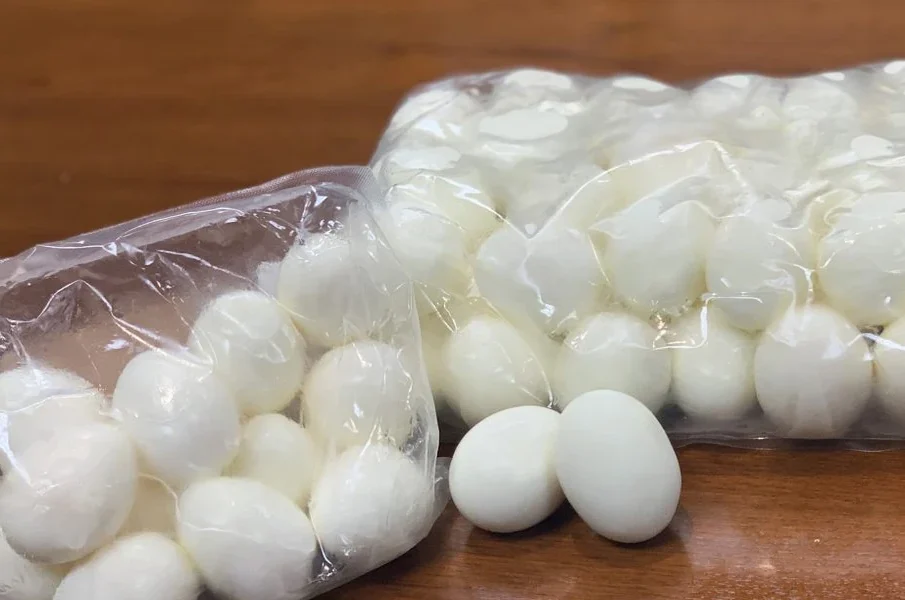
Packaging is one of the most important decisions when buying hard boiled eggs for a food business. It affects shelf life, storage space, labour in the kitchen and how the eggs are presented to customers. A hard boiled egg supplier may offer several packaging formats, each suited to different uses. This article explains the main options, their strengths and limitations, and how to match packaging to the way your business actually uses eggs.
Why Packaging Matters for Cooked Eggs
Once an egg is cooked, it becomes a ready-to-eat food that is more vulnerable to contamination and drying out than a raw egg in its shell. Packaging protects the egg from bacteria, physical damage and moisture loss. It also controls how long the eggs remain safe and appealing. The right packaging reduces waste, saves preparation time and helps maintain food safety standards throughout storage and service. It also shapes how much time staff spend handling eggs, which matters when a kitchen is preparing hundreds of portions a day.
In-Shell Cooked Eggs
Some suppliers deliver cooked eggs still in their shells, packed in trays or cartons. The shell provides natural protection, and this format suits kitchens that prefer to peel eggs themselves just before use. However, peeling adds labour, and shells must be handled carefully to avoid contamination. In-shell cooked eggs generally have a shorter shelf life than vacuum-packed peeled eggs, so they are best for businesses with steady daily use.
Vacuum-Sealed Peeled Eggs
Vacuum sealing removes air from the package, slowing bacterial growth and helping keep eggs moist. Vacuum-sealed peeled eggs are popular with cafés, caterers and food manufacturers because they are ready to use straight from the pack. They save labour and reduce the risk of damage during peeling. The packs are also compact, making better use of chiller space. Once opened, though, eggs should be used promptly.
Eggs Packed in Brine or Liquid
Some peeled eggs are packed in a brine or preserving liquid. This format can extend shelf life and keep eggs moist. It suits businesses that use eggs in salads, sandwiches or processed foods. Buyers should check the composition of the liquid, as it may affect taste or labelling requirements. Draining and handling also need to be considered in busy kitchens. Brine can also slightly change the texture of the white over time, so test it in your own recipes before ordering in volume.
Bulk Packs Versus Portion Packs
Pack size is another important choice. Bulk packs suit high-volume users such as caterers and food manufacturers, offering lower cost per egg and less packaging waste. Portion packs, containing one or two eggs, suit retail, vending and grab-and-go outlets. Working with a hard boiled egg supplier that offers both lets businesses match pack size to their sales pattern. Considerations include:
- Daily usage volume
- How quickly packs will be used once opened
- Chiller space available
- Whether eggs are sold directly to customers
Choosing the right size reduces waste and improves stock control.
Flavoured and Speciality Eggs
Some suppliers offer flavoured eggs, such as soy-marinated or tea eggs, as well as plain hard boiled eggs. These often come in specific packaging that preserves flavour and appearance. They can add variety to menus and retail shelves. Buyers should check shelf life, ingredients and allergen information, as marinades may contain soy, wheat or other allergens. Flavoured eggs often sell well as grab-and-go snacks, but their appearance must stay consistent for them to look appealing on a shelf.
Labelling Requirements
Packaging should carry clear labels with product name, ingredients, production date, expiry date, storage instructions and supplier details. For retail products, labelling must meet Singapore Food Agency requirements. Clear labelling helps kitchens rotate stock, comply with regulations and inform customers. Allergen information is especially important for flavoured or brined products. For eggs repacked or resold under your own brand, check which labelling responsibilities pass to your business.
Storage and Handling
All packaged cooked eggs need refrigeration. Storage instructions on the pack should be followed closely. Kitchens should keep eggs in chillers at the correct temperature and avoid repeated temperature changes. Damaged packs should be discarded. Training staff on how to store and handle each packaging format helps maintain quality and safety. Opened packs should be resealed or transferred to covered containers and used within the time stated by the supplier.
Sustainability Considerations
Many businesses are paying more attention to packaging waste. Bulk packs generally use less packaging per egg than individual portions. Some suppliers may offer recyclable materials or reduced plastic options. When comparing suppliers, it is worth asking:
- What materials are used in packaging?
- Are any packs recyclable?
- Can bulk deliveries reduce packaging waste?
Balancing sustainability with food safety needs is increasingly important.
Choosing the Right Format
The best packaging depends on how your business uses eggs. High-volume kitchens may favour bulk vacuum packs, while retail outlets may prefer portion packs. Discuss your needs with suppliers and request samples of different formats. A bulk ready-to-eat egg supplier can advise on which packaging suits your operation and provide specifications for comparison. Testing two or three formats in real service for a week often reveals which saves the most time.