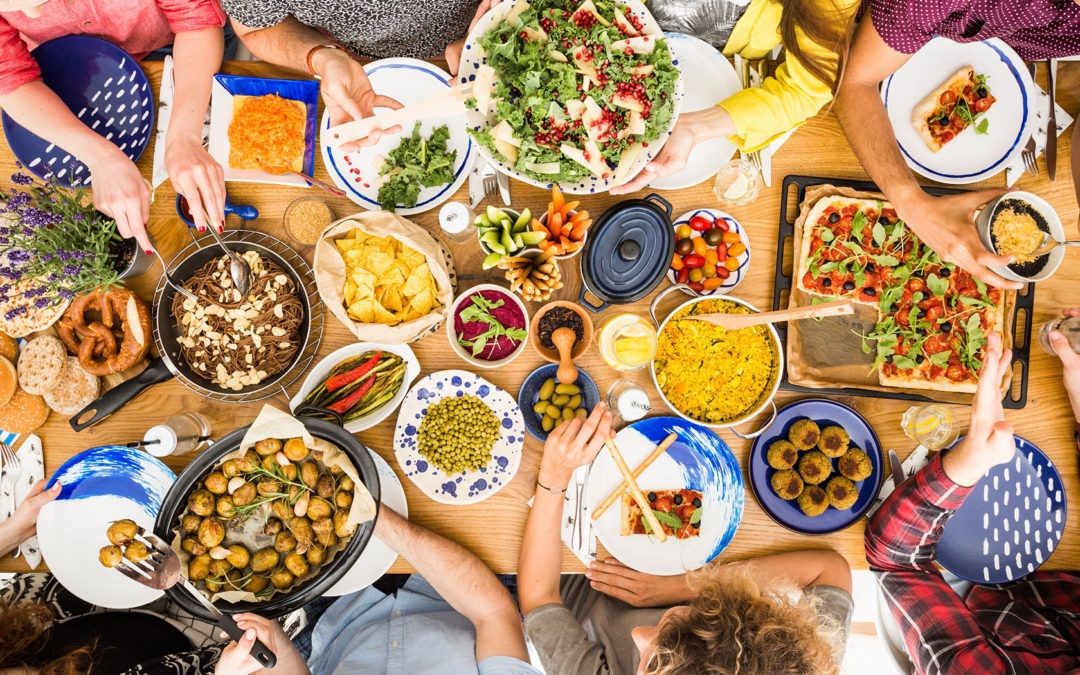
Halal Elderly Meals Singapore with Balanced and Healthy Meal Options
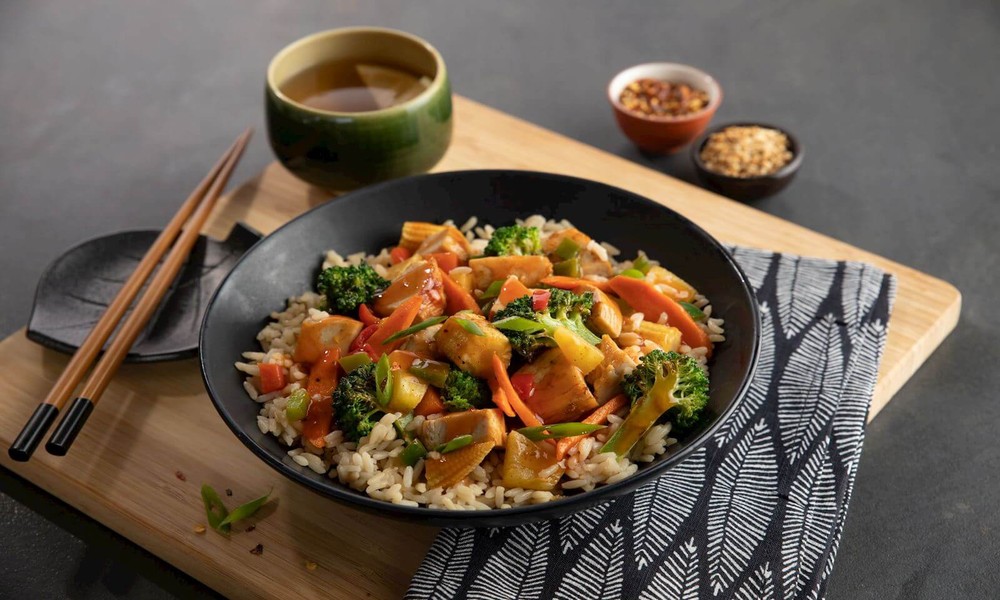
Halal elderly meals in Singapore that are genuinely balanced and designed with the specific nutritional needs of older adults in mind represent a meaningful investment in the health and dignity of Singapore’s ageing Muslim population. As the nation’s proportion of elderly residents continues to grow and as awareness of the connection between diet and healthy ageing deepens, the quality of elderly meal services has become an increasingly important dimension of community care.
What Balance Means in the Context of Elderly Nutrition
A balanced meal for an elderly person is not simply a reduced-calorie version of a standard adult meal. It is a specifically designed composition that addresses the altered nutritional requirements, physical capabilities, and health conditions that characterise later life.
The key dimensions of balance in elderly nutrition include:
Macronutrient balance: Protein should constitute at least 20 to 30 percent of caloric intake, higher than the proportion typically consumed by older adults who may naturally gravitate toward carbohydrate-rich foods that are easier to chew. Healthy fats support fat-soluble vitamin absorption and cardiovascular health. Complex carbohydrates provide sustained energy without the blood glucose spikes that are particularly problematic for the large proportion of older adults managing diabetes.
Micronutrient density: Elderly diets should be rich in calcium, vitamin D, vitamin B12, zinc, and folate. These nutrients are often under-consumed by older adults, yet they play critical roles in bone health, immune function, neurological health, and cellular repair.
Hydration support: Many elderly individuals have a diminished sense of thirst and are at chronic risk of mild dehydration. Meals with adequate sauce, gravy, or soup components contribute to daily fluid intake.
Digestive support: Adequate dietary fibre from vegetables, legumes, and whole grains supports digestive regularity, which is a common challenge for older adults.
How Halal Certification Ensures Compliance and Trust
For Muslim families across Singapore, halal elderly meals Singapore services certified by MUIS provide a level of assurance that goes beyond the individual meal. MUIS certification requires ongoing compliance with halal standards across the entire production process, from ingredient sourcing through to preparation, packaging, and delivery.
This certification is not simply a label applied to the finished product. It represents a commitment to a systematic approach to halal compliance that covers:
- Sourcing of meat and poultry from MUIS-approved slaughterhouses
- Verification of halal status for all processing aids, flavourings, and additives
- Separation of halal and non-halal production areas and equipment
- Regular auditing by MUIS inspectors of production facilities and documentation
For families with elderly relatives who have observed halal their entire lives, the ability to receive daily meals with this level of documented compliance is a source of genuine comfort and relief.
Meal Variety as a Component of Wellbeing
Nutritional balance is one dimension of a quality elderly meal service. Variety – the range and rotation of menu options, is equally important for the psychological and social dimensions of wellbeing in older age.
Eating is not simply a biological necessity. For many elderly individuals, particularly those living alone or with limited mobility, mealtimes represent a significant daily point of pleasure and anticipation. A meal service with a narrow or repetitive menu reduces this dimension of daily life, contributing to the social and emotional isolation that is among the most serious health risks facing Singapore’s elderly population.
A well-designed halal elderly meal service offers a menu that rotates across a wide range of:
- Traditional Malay dishes including nasi lemak components, sayur lodeh, rendang, and sambal-based preparations in low-sodium adaptations
- Indian Muslim-influenced dishes including biryani variations, fish curry, and dhal-based preparations
- Chinese-Malay fusion options that reflect the food heritage of many multi-ethnic Muslim families
- International options that provide variety without departing from halal and elderly nutritional requirements
As Minister for Social and Family Development Masagos Zulkifli has observed about the importance of dignity in elder care, “Every elderly person in Singapore deserves to age with dignity – to be cared for in ways that respect who they are and what matters to them.” Food is one of the most fundamental expressions of that respect.
Portion Sizing and Caloric Appropriateness
Elderly adults typically have lower caloric requirements than younger adults, reflecting reduced basal metabolic rate and generally lower levels of physical activity. However, micronutrient needs remain high or increase. This combination – lower caloric intake with higher or maintained micronutrient requirements – means that elderly meals must be nutritionally dense rather than simply filling.
Appropriate portion sizing for elderly meals typically involves:
- Smaller overall volume than standard adult portions, typically 300 to 400 calories per main meal
- Higher protein proportion relative to total calories
- Reduced sodium content to support cardiovascular health and kidney function
- Softer textures where required, achieved without reducing nutritional content
A meal service that delivers appropriate portions consistently – neither too small to meet nutritional needs nor so large as to be overwhelming – demonstrates genuine understanding of its elderly customer base.
Practical Benefits for Families and Caregivers
The practical benefits of a reliable halal elderly meal service extend to the families and caregivers who support elderly relatives. The daily burden of meal preparation for a nutritionally complex elderly diet is substantial, and it is a burden that frequently falls on already-stretched family caregivers.
A reliable meal delivery service with:
- Consistent delivery within agreed time windows
- Flexible service arrangements including weekends and public holidays
- The ability to accommodate specific medical dietary conditions
- Clear packaging and labelling that elderly recipients can manage independently
provides meaningful relief that improves caregiver wellbeing alongside the nutritional wellbeing of the elderly recipient.
For families seeking a halal elderly meal option in Singapore that genuinely delivers balanced nutrition, meaningful variety, and the halal compliance that Muslim families require, a certified service designed specifically for elderly dietary needs is the standard worth seeking and supporting.